
The Patient Who Wasn’t in the Room: Who Bears the Cost When AI Medical Diagnosis Outperforms Doctors
Harvard’s AI medical diagnosis trial showed a 17-point edge over doctors. Here’s who loses when the algorithm becomes the physician.
Harvard’s AI medical diagnosis trial showed a 17-point edge over doctors. Here’s who loses when the algorithm becomes the physician.

Spotify’s AI-generated music verification badge aims to protect human artists, but its core assumption about listener behavior may already be wrong.

The AI water consumption myth is built on unit errors and opaque reporting. Here’s what the real numbers reveal for investors, builders, and policymakers.
Claude Code’s competitor blocks reveal a deeper AI vendor control problem that every enterprise builder and investor needs to understand now.
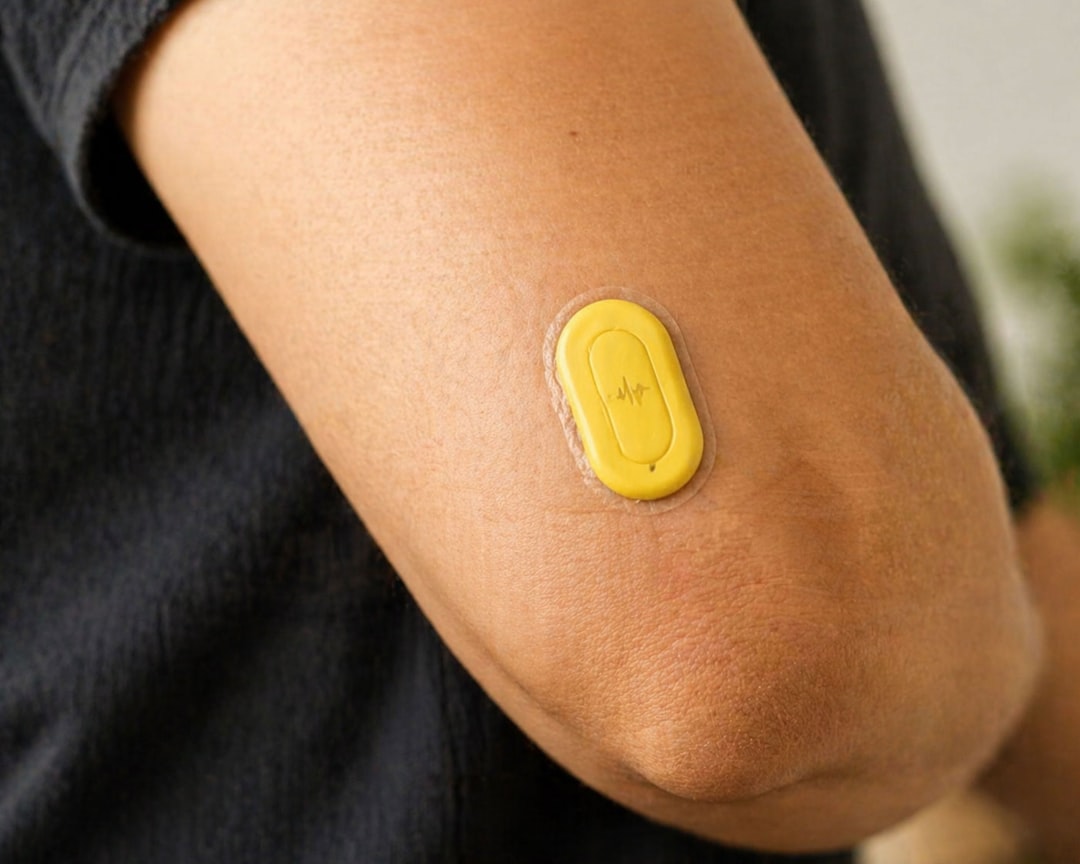
A diabetic user tested AI carb-counting 27,000 times and got wildly inconsistent results. Here’s what that reveals about AI reliability in medicine.

Claude Code’s refusal to process commits mentioning rivals signals a new era of AI safety risk: weaponized model behavior inside developer workflows.

A 4TB AI contractor data breach at Mercor exposed 40,000 workers’ voices, revealing how synthetic data production creates systemic labor vulnerabilities.

A production database deletion reveals how AI agent failure modes are becoming more transparent-and why that transparency might be the real problem.

Autonomous AI agents are exposing critical vulnerabilities in database design, creating urgent questions around agentic AI database safety for enterprise systems.

AI public sentiment is forcing companies to revise their messaging. But the assumption they’ll actually change behavior is dangerously naive.