
27,000 AI Carb-Count Requests, Zero Consistency: Why Medical AI Cannot Yet Replace Human Judgment
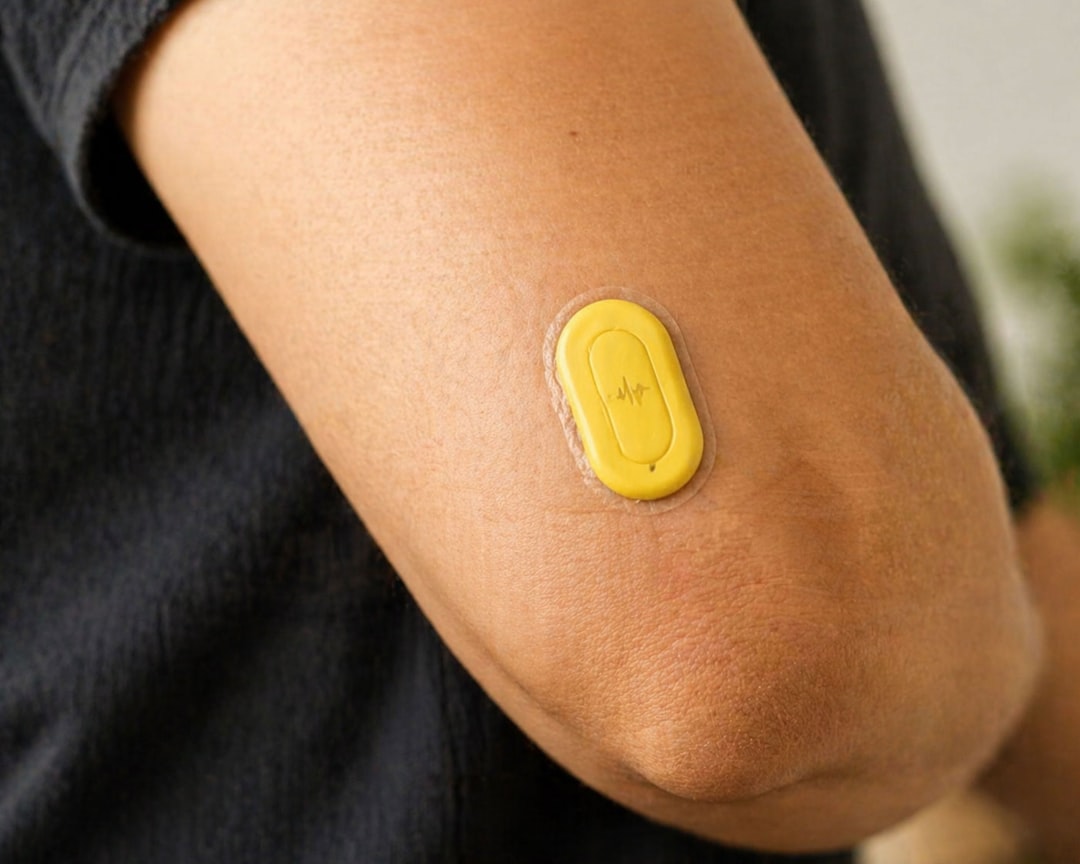
A diabetic user tested AI carb-counting 27,000 times and got wildly inconsistent results. Here’s what that reveals about AI reliability in medicine.


Claude Code’s refusal to process commits mentioning rivals signals a new era of AI safety risk: weaponized model behavior inside developer workflows.
The Pentagon Google AI defense contract sets new precedent with minimal restrictions. What the classified terms reveal about military AI oversight.
A 4TB AI contractor data breach at Mercor exposed 40,000 workers’ voices, revealing how synthetic data production creates systemic labor vulnerabilities.
Microsoft OpenAI breakup reveals how revenue-sharing exclusivity masked deeper tensions. What the mechanism actually means for AI competition.
A production database deletion reveals how AI agent failure modes are becoming more transparent-and why that transparency might be the real problem.
A hobbyist used ChatGPT to crack a 60-year-old Erdős problem, but the assumption that AI democratizes mathematics may prove disastrously wrong.
Autonomous AI agents are exposing critical vulnerabilities in database design, creating urgent questions around agentic AI database safety for enterprise systems.
AI public sentiment is forcing companies to revise their messaging. But the assumption they’ll actually change behavior is dangerously naive.
Claude pricing economics sparked mass developer defection, exposing how quickly loyalty evaporates when LLM token costs shift. The market is more fragile than it appears.