
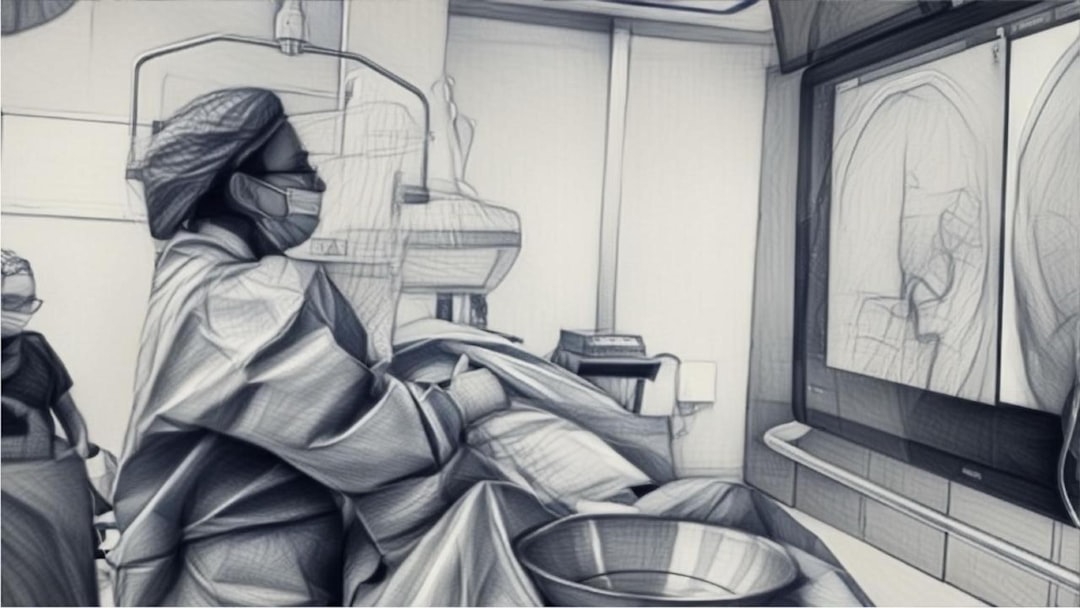
In a rural clinic in Kenya, a healthcare worker uploads a chest X-ray to a tablet and receives an instant diagnostic assessment that rivals the expertise of specialists thousands of miles away. This scenario is becoming reality as AI medical imaging technologies demonstrate unprecedented accuracy in disease detection, promising to bridge the diagnostic expertise gap between urban medical centers and underserved regions worldwide.
Recent developments in machine learning healthcare applications have produced AI models capable of analyzing medical images with remarkable precision. These systems leverage advanced algorithms to identify patterns invisible to the human eye, potentially transforming how diseases are diagnosed and treated across diverse healthcare settings.
The implications extend far beyond technological advancement. As healthcare systems globally struggle with specialist shortages and diagnostic delays, AI-powered imaging tools offer a pathway to democratize access to expert-level medical analysis, particularly in regions where specialized radiologists and diagnostic equipment remain scarce.
Advanced AI Models Achieve Clinical-Grade Performance
Recent research has demonstrated that AI-based image analysis systems achieve high performance across multiple diagnostic metrics, including accuracy, precision, recall, F-score, Sorensen-Dice index, Jaccard index, and specificity. These comprehensive evaluation criteria indicate that machine learning algorithms can now match or exceed human diagnostic capabilities in specific imaging tasks.
The technical foundation of these systems relies on sophisticated training methodologies. AI models functioning as diagnostic assistants are trained on thousands of medical images, including both normal and abnormal cases. When analyzing new images, these systems generate confidence scores between 0 and 1, with values below 0.5 typically indicating normal findings.
This scoring system provides clinicians with quantifiable assessments, enabling more consistent diagnostic decision-making. The standardized output format allows healthcare providers with varying levels of experience to benefit from AI-assisted analysis, potentially reducing diagnostic variability and improving patient outcomes.
Multimodal Approaches Enhance Diagnostic Scope
Beyond traditional single-image analysis, emerging AI medical imaging systems are expanding into multimodal diagnostic approaches. Recent developments include AI models capable of identifying systemic diseases through comprehensive image analysis techniques.
These advanced systems can process multiple imaging modalities simultaneously, providing healthcare providers with more comprehensive diagnostic insights. The ability to detect systemic conditions through imaging analysis represents a significant advancement in medical diagnosis, particularly valuable in settings where multiple diagnostic tests may be unavailable or costly.
The integration of different imaging techniques through AI analysis offers particular promise for complex diagnostic scenarios where traditional single-modality approaches may miss critical findings.
Real-World Validation Demonstrates Clinical Impact
Clinical validation of AI medical imaging systems has produced compelling evidence of their practical value. In a recent test within Britain’s National Health Service, an AI tool analyzed mammograms from over 10,000 women, correctly identifying patients subsequently found to have cancer while also detecting 11 additional cases that might have been missed through conventional screening.
This real-world performance demonstrates the technology’s potential to enhance diagnostic accuracy while reducing false negatives – a critical factor in cancer screening programs. The ability to identify additional cases that traditional methods might miss could significantly impact patient outcomes through earlier detection and treatment.
Such validation studies provide essential evidence for regulatory approval and clinical adoption. The documented performance in established healthcare systems like the NHS offers credibility that can accelerate implementation in diverse global healthcare environments.
Addressing Implementation Challenges
Despite promising results, significant challenges remain in AI medical imaging deployment. Research has revealed that AI models analyzing medical images can exhibit bias, potentially affecting diagnostic accuracy across different patient populations.
The bias issue is particularly concerning given the technology’s intended role in democratizing healthcare access. If AI systems perform differently across ethnic, geographic, or socioeconomic groups, they could inadvertently perpetuate or exacerbate existing healthcare disparities rather than reducing them.
Addressing these challenges requires ongoing research into bias detection and mitigation strategies, ensuring that AI medical imaging systems provide equitable performance across diverse patient populations and clinical environments.
Market Growth Reflects Growing Adoption
The commercial development of AI medical imaging technologies reflects significant industry confidence in their potential. According to reports, the global AI in medical imaging market was valued at $2.01 trillion in 2025 and is projected to reach $22.97 trillion by 2035, expanding at a compound annual growth rate of 27.57%.
This dramatic market expansion indicates substantial investment and development activity across the healthcare AI sector. North America reportedly leads with 45% market share, though growing adoption in emerging markets suggests global expansion of these technologies.
Regulatory approval trends support this growth trajectory. As of May 2024, the FDA has approved 882 AI-enabled medical devices, with 671 designed for radiology applications. This regulatory acceptance facilitates broader clinical implementation and commercial deployment.
Technology Integration Patterns
The integration of AI medical imaging into clinical workflows requires careful consideration of existing healthcare infrastructure. Reviews of machine learning and deep learning methods in medical imaging emphasize how AI is revolutionizing disease detection and diagnosis, enhancing both precision and diagnostic capability.
Successful implementation depends on seamless integration with existing imaging systems, electronic health records, and clinical decision-making processes. Healthcare facilities must balance the benefits of AI assistance with practical considerations including staff training, system maintenance, and quality assurance protocols.
The most effective deployments appear to position AI as a diagnostic aid rather than replacement for human expertise, leveraging machine capabilities while maintaining clinical oversight and accountability.
What This Means For You
For Healthcare Developers
Healthcare technology developers should prioritize bias detection and mitigation in AI medical imaging systems. The documented performance variations across patient populations require proactive development approaches that ensure equitable diagnostic accuracy. Focus on creating robust validation frameworks that test performance across diverse demographic groups and clinical environments.
Integration capabilities will determine commercial success. Develop solutions that seamlessly interface with existing healthcare infrastructure while providing intuitive user experiences for clinicians with varying technical expertise. Consider the specific needs of resource-constrained healthcare settings where these technologies may have the greatest impact.
For Healthcare Organizations
Healthcare organizations should develop strategic plans for AI medical imaging adoption that address both opportunities and challenges. Establish pilot programs in specific imaging applications where AI assistance can provide clear value while building organizational expertise and confidence in these technologies.
Investment in staff training and change management will be crucial for successful implementation. Healthcare providers need education on AI system capabilities, limitations, and appropriate use cases to maximize diagnostic benefits while maintaining clinical quality standards.
For Patients and Communities
Patients in underserved regions may benefit most significantly from AI medical imaging democratization. These technologies could provide access to specialist-level diagnostic expertise previously unavailable due to geographic or economic constraints. However, understanding system limitations and the continued importance of human clinical oversight remains essential.
Community health advocates should monitor AI medical imaging deployment to ensure equitable access and performance across different population groups, supporting initiatives that address bias and promote inclusive healthcare technology development.
Looking Forward: The Path to Widespread Implementation
The trajectory of AI medical imaging suggests continued rapid advancement in both technical capabilities and clinical adoption. As bias mitigation strategies improve and regulatory frameworks mature, these technologies are positioned to become standard components of medical imaging workflows globally.
The democratization potential remains the most compelling aspect of this development. Rural and underserved communities could gain access to diagnostic capabilities that fundamentally improve health outcomes through earlier disease detection and more accurate diagnosis. However, realizing this potential requires sustained focus on equitable implementation and continued investment in healthcare infrastructure development.
Future developments will likely focus on expanding diagnostic scope, improving integration capabilities, and developing specialized applications for specific disease categories or imaging modalities. The combination of technical advancement and growing clinical acceptance creates conditions for transformative change in global healthcare delivery through AI-enhanced medical imaging.
Sources
- IEEE Xplore – AI-Based Image Analysis for Early Disease Detection in Medical
- Beckman Institute – New AI model draws treasure maps to diagnose disease
- University of Washington – Q&A: A new medical AI model can help spot systemic disease
- MIT News – Study reveals why AI models that analyze medical images can be biased
- ScienceDirect – Advances in AI for Medical Imaging: A Review of Machine and Deep Learning
- Articsledge – AI in Medical Imaging: How It’s Changing Diagnosis in 2026
AI Tools We Recommend
ElevenLabs · Synthesia · Murf AI · Gamma · InVideo AI · OutlierKit
Affiliate links · we may earn a commission.
Related Analysis
 Andrej Karpathy Joins Anthropic: What Everyone Is Getting Wrong About This Talent MigrationMay 20, 2026
 Musk’s $6B OpenAI Lawsuit Collapses: What the Judge Actually RuledMay 18, 2026
 Anthropic’s Small Business Play Reveals the Weak Spot in OpenAI’s Pricing StrategyMay 14, 2026
 Why Gemini’s Tool-Calling Just Got Distilled Into a 26M Parameter ModelMay 13, 2026