
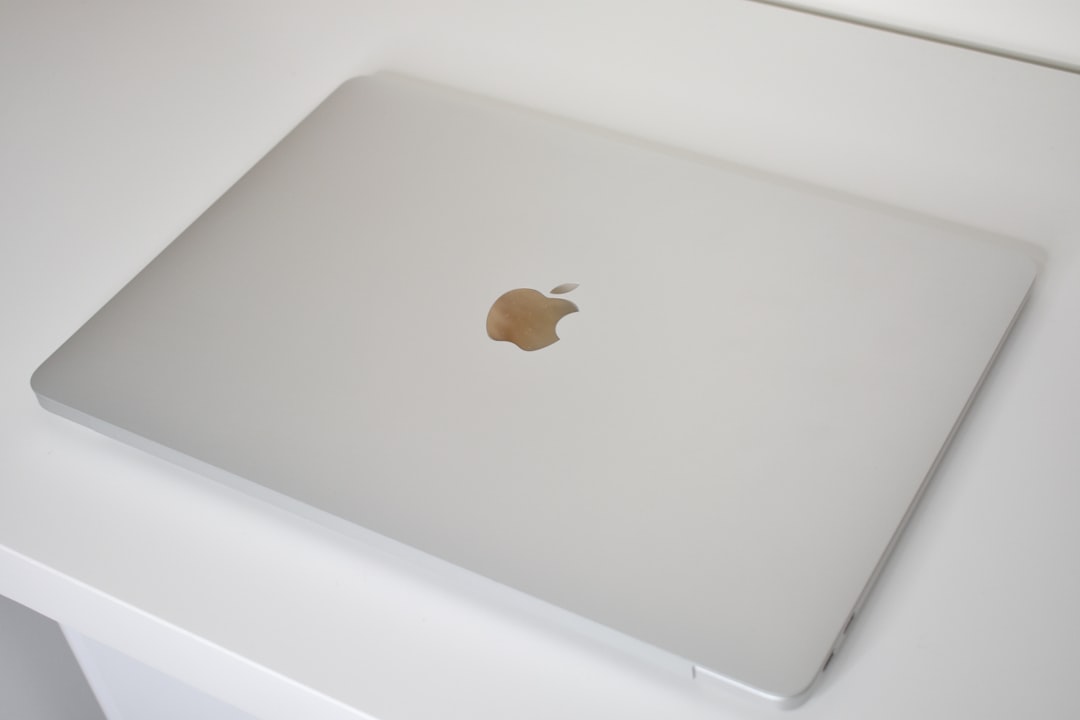
Apple has officially launched the MacBook Neo AI, a groundbreaking $599 laptop that brings on-device artificial intelligence capabilities to the budget laptop market for the first time. Powered by the A18 Pro chip, this new MacBook delivers what Apple describes as “M1-level performance in an affordable package that prioritizes style above all else,” according to industry analysis. The move represents Apple’s most aggressive push yet to democratize AI computing beyond premium price points.
Breaking Down the MacBook Neo AI Technical Architecture
The heart of the MacBook Neo AI lies in its custom A18 Pro system-on-chip (SoC), which Apple has specifically tuned for on-device AI workloads. Benchmark data shows the A18 Pro achieving a single-core score of 3445 and multi-core score of 8624, positioning it competitively against current mid-range processors while maintaining the fanless design Apple is known for.
The 13-inch display features a resolution of 2408 by 1506 pixels with support for 1 billion colors, according to technical specifications. This display density ensures AI-generated content, graphics, and text rendering appear crisp and professional. The aluminum enclosure weighs approximately 2.7 pounds, making it highly portable for users who need to run AI applications on the go.
Apple has engineered the A18 Pro with dedicated neural processing units that handle machine learning inference locally. This means AI applications can run without requiring constant internet connectivity or cloud processing, addressing privacy concerns while reducing latency for real-time AI interactions.
Why the $599 Price Point Changes Everything for On-Device AI
The MacBook Neo AI pricing strategy represents a seismic shift in Apple’s approach to AI democratization. At $599, Apple is directly challenging the Windows laptop market while making on-device AI accessible to students, educators, and budget-conscious professionals who previously couldn’t afford Apple’s AI-capable hardware.
Apple’s senior vice president of hardware engineering, John Ternus, stated: “We’re incredibly excited to introduce MacBook Neo, which delivers the magic of the Mac at a breakthrough price. Built from the ground up to be more affordable for even more people.” This positioning suggests Apple views the MacBook Neo as an entry point into their AI ecosystem rather than just another budget laptop.
The pricing strategy becomes even more significant when considering the total cost of ownership for AI workloads. Users who rely on cloud-based AI services often face ongoing subscription costs that can exceed $20-50 per month. The MacBook Neo’s on-device capabilities eliminate these recurring expenses while providing faster response times and enhanced privacy protection.
Industry observers note this pricing could force competitors to accelerate their own budget AI hardware development. The MacBook Neo positions Apple to capture market share in educational institutions and emerging markets where AI adoption is growing but budget constraints limit premium hardware purchases.
MacOS Vision and the Local AI Application Ecosystem
The MacBook Neo AI ships with macOS Vision, Apple’s operating system optimized for AI-first computing experiences. This new OS variant includes enhanced frameworks for developers to build applications that leverage the A18 Pro’s neural processing capabilities without requiring extensive machine learning expertise.
According to user discussions, the MacBook Neo handles multiple AI use cases effectively: “For users who primarily use web-based AI tools, the MacBook Neo is more than sufficient. If you just use it to prompt cloud based AI, it doesn’t matter which local platform you use.” However, the real advantage emerges with local AI applications that can run entirely on-device.
The local AI ecosystem includes applications for content creation, code generation, language translation, and document analysis. These applications benefit from the A18 Pro’s neural engines, which can process natural language queries, generate text responses, and perform image recognition tasks without sending data to external servers. This local processing approach addresses growing concerns about data privacy and AI model security.
Early developers report that light development tasks run smoothly on the MacBook Neo, particularly for AI-related projects that don’t require extensive computational resources. The combination of macOS Vision’s AI frameworks and the A18 Pro’s processing power creates an accessible development environment for students and hobbyists entering the AI field.
Industry Impact: Reshaping the Budget Laptop Landscape
The MacBook Neo AI launch creates immediate pressure across the laptop industry, particularly in the $500-800 price segment where Windows manufacturers have dominated. Apple’s entry into this market with genuine AI capabilities forces competitors to either match the AI functionality or compete solely on price, a challenging proposition given Apple’s vertical integration advantages.
Traditional laptop manufacturers face a dilemma: adding AI acceleration typically increases component costs, potentially pushing their products above the $599 price point that Apple has established. The A18 Pro’s efficiency advantages, derived from Apple’s custom silicon approach, give the MacBook Neo a power consumption edge that’s difficult for Intel or AMD-based systems to match while maintaining similar AI performance.
Educational markets represent a particularly significant battleground. Schools and universities increasingly seek AI-capable devices for computer science and digital literacy programs. The MacBook Neo’s pricing makes it accessible to educational budgets while providing genuine AI development capabilities, not just the ability to run web-based AI tools.
The launch also signals Apple’s broader strategy to expand their AI user base beyond premium customers. By making on-device AI accessible at mainstream price points, Apple can collect more diverse training data and usage patterns, potentially improving their AI models across all product lines. This data advantage could compound over time as more users adopt AI-powered workflows.
What This Means For You
For Developers
The MacBook Neo AI opens new opportunities for independent developers and small teams working on AI applications. The $599 entry point makes it feasible to develop and test AI applications without investing in expensive hardware. The A18 Pro’s neural engines provide sufficient processing power for prototyping machine learning models, natural language processing applications, and computer vision projects.
Developers can leverage macOS Vision’s AI frameworks to build applications that run entirely on-device, addressing privacy concerns while reducing cloud infrastructure costs. This local-first approach enables new categories of applications that were previously impractical due to latency or connectivity requirements.
For Business Leaders
Organizations considering AI adoption can use the MacBook Neo as an affordable testing ground for AI workflows and applications. The device’s capabilities allow teams to experiment with AI tools, develop custom solutions, and train employees on AI technologies without major capital investments.
The on-device processing eliminates concerns about sensitive data leaving corporate networks when using AI applications. This privacy advantage makes the MacBook Neo suitable for industries with strict data protection requirements, including healthcare, finance, and legal services.
For General Users
Students, content creators, and general consumers gain access to AI-powered productivity tools at an unprecedented price point. The MacBook Neo can handle AI-assisted writing, image editing, language translation, and educational applications that were previously limited to expensive hardware or cloud-based services with ongoing costs.
The device’s portability and battery efficiency make it practical for users who need AI capabilities while mobile, whether for research, creative projects, or professional tasks that benefit from AI assistance.
What Comes Next: The Future of Budget AI Computing
The MacBook Neo AI represents the beginning of mainstream AI hardware adoption rather than a singular product launch. Apple’s success with this device will likely accelerate development of more affordable AI-capable hardware across the industry, potentially leading to AI acceleration becoming standard in budget laptops within the next two years.
Future iterations of the MacBook Neo will likely feature more powerful neural processors and expanded AI application ecosystems. As on-device AI models become more sophisticated and efficient, the capabilities gap between budget and premium AI hardware may narrow significantly, making advanced AI tools accessible to broader populations globally.
The education market’s response will particularly influence the product’s long-term impact. If schools and universities adopt the MacBook Neo for AI education programs, it could create a generation of users comfortable with Apple’s AI ecosystem, similar to how educational Mac adoption in the 1980s and 1990s influenced creative professional markets.
Sources
- AI: Apple’s Macbook Neo a new Arrow in its AI quiver
- How Apple is using AI to make its cheapest Mac more powerful
- MacBook Neo: the beginning towards an “AI-first” Mac?
- Apple Announces All-New MacBook Neo
- MacBook Neo Discussion
AI Tools We Recommend
ElevenLabs · Synthesia · Murf AI · Gamma · InVideo AI · OutlierKit
Affiliate links · we may earn a commission.
Related Analysis
 Amazon’s AI Mandate Is Backfiring: Workers Are Gaming the MetricsMay 16, 2026
 Amazon’s AI Mandate Is Breeding a Culture of Productive-Looking NoiseMay 15, 2026
 Amazon’s Token Trap: What ‘Tokenmaxxing’ Reveals About the Limits of Mandated AI AdoptionMay 13, 2026
 TanStack’s npm Account Hijack Reveals the 60-Second Window Security Teams Are MissingMay 12, 2026