
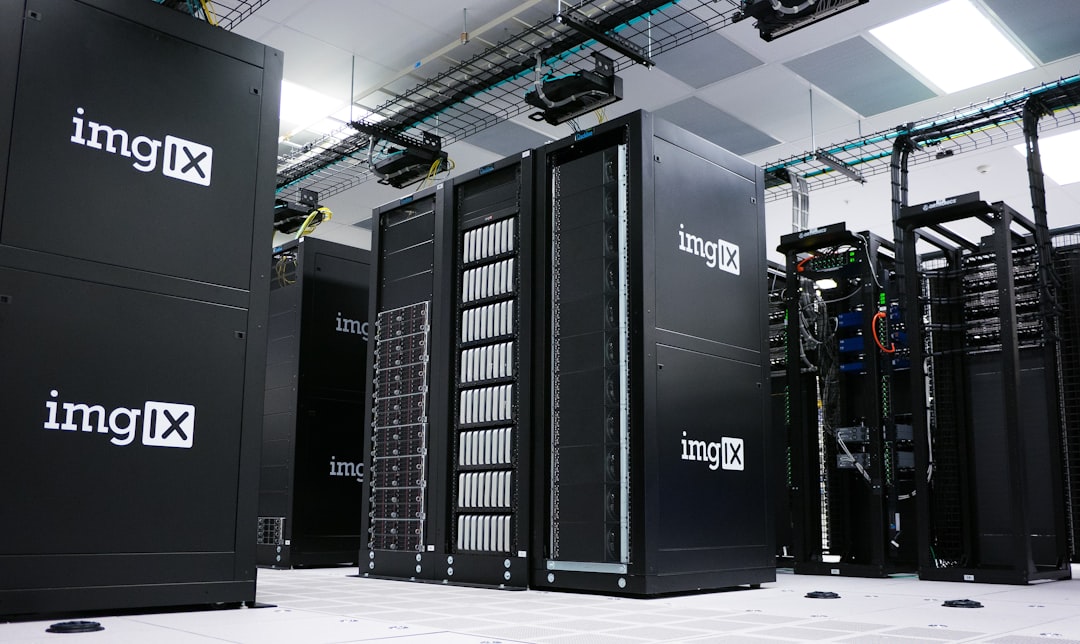
It was a humid Tuesday in Austin when Maya, a senior data scientist, walked into her office and stared at a wall of blinking lights. The new AI supercomputer humming behind the glass had just been turned on, and the first job it accepted was a confidential medical‑image analysis for a partner hospital. The moment the model started training, the screen displayed a tiny lock icon, a visual reminder that the data would never leave the encrypted enclave.
Why Scale Matters
AI workloads have outgrown traditional clusters. In 2024 the top ten AI supercomputers together delivered roughly 1.2 exaFLOPS of AI‑optimized performance, a figure industry analysts expect to double by 2026. That surge is not just about raw speed; it is about enabling models that can understand language, generate code, and simulate complex physical systems in real time. Companies that cannot tap into that horsepower risk falling behind in product innovation and market relevance.
The Confidentiality Imperative
At the same time, data privacy regulations have tightened. The European Union’s AI Act, slated for enforcement in early 2025, classifies high‑risk AI systems and mandates strict safeguards. IDC predicts the confidential computing market will reach $6.5 billion in 2026, driven by enterprises that need to protect intellectual property while still leveraging the cloud. Hardware‑based enclaves, such as Intel SGX and AMD SEV, now support full‑stack AI pipelines, encrypting data in use, not just at rest or in transit.
Convergence of Two Trends
The intersection of massive compute and secure execution is reshaping the architecture of modern data centers. Google’s 300‑petaflop AI chip, unveiled in late 2025, includes a built‑in trusted execution environment, allowing customers to run proprietary models without exposing weights or training data. Nvidia’s DGX Cloud service now offers confidential containers that spin up on demand, delivering the same performance as on‑premise racks while keeping the workload isolated from the host OS. These developments mean that the old dichotomy between on‑premise security and cloud scale is disappearing. Read more: AI Infrastructure Investment Strategy: Beyond Model Training to Enterprise Operations. Read more: AI Chip Wars: Data Center Efficiency Becomes the New Battleground. Read more: Nvidia Inference Chips Signal $1 Trillion AI Deployment Shift.
What This Means for Enterprises
Businesses can now design AI solutions that respect both speed and secrecy. A pharmaceutical firm can train a drug‑discovery model on a global supercomputer while guaranteeing that every molecule fingerprint remains encrypted inside a hardware enclave. A financial institution can run fraud‑detection algorithms on a shared cloud platform, confident that the model’s proprietary parameters are never exposed to neighboring tenants. The result is a new breed of AI services that are both high‑performance and compliant with the toughest data‑governance standards.
Take the Next Step
Leaders who want to stay ahead should audit their current AI infrastructure for both compute capacity and confidentiality gaps. Investing in platforms that combine exascale performance with hardware‑rooted security will pay dividends as regulations tighten and competition intensifies. Partnering with vendors that provide transparent attestation logs can simplify compliance audits and build trust with customers.
For Our Readers: the era where raw power and data privacy coexist is already here. Explore the solutions that fit your organization’s risk profile, pilot a confidential AI workload on a test cluster, and measure the impact on both speed and compliance. The future belongs to those who can harness the full might of AI supercomputing without compromising the secrets that drive their business.